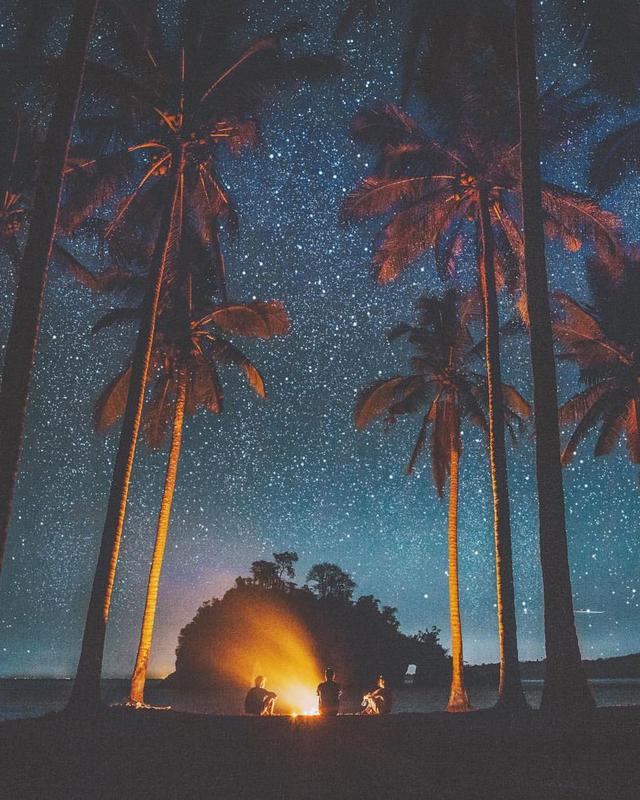
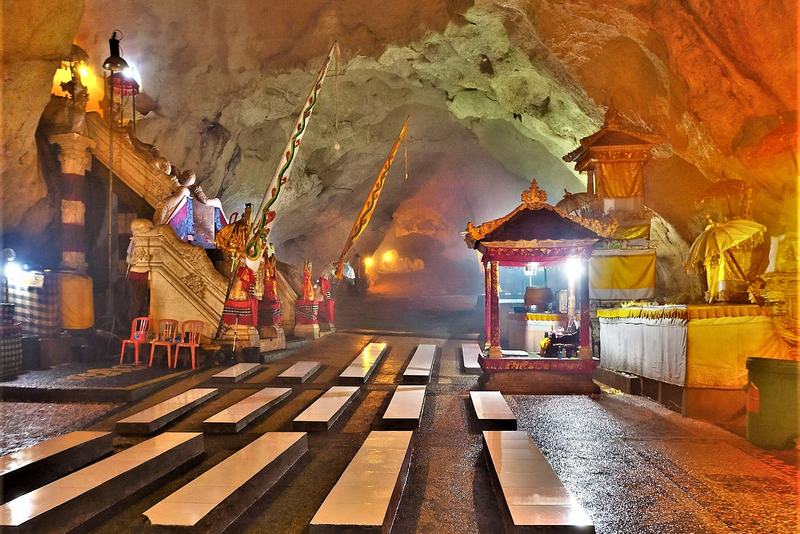
Nusa Penida is the biggest of the three Nusa islands, a dry limestone plateau roughly 20 km across the strait from Bali's south-east coast. Allow 2 to 3.5 hours from the airport: a drive to Sanur Harbour, check-in, then a 30–45 minute fast boat. Come for sea cliffs, reef mantas and dark, quiet nights, provided you are fit enough for long stairways. One night is the minimum; two or three let you see both coasts.
Everything on Penida takes longer than the map suggests. The island measures about 203 km², climbs to roughly 520 m in the middle, and splits its headline sights between two coasts: Kelingking and Broken Beach in the south-west, Diamond Beach and Atuh in the east. One to 1.5 hours of narrow, hilly road separates them. That is why a single day from Bali works for one coast, never both, and why a night or two changes the trip. Guests who sleep here reach the viewpoints before the first Sanur boats dock, just after 7 am, and again once the midday crush of 11 am to 3 pm has gone.
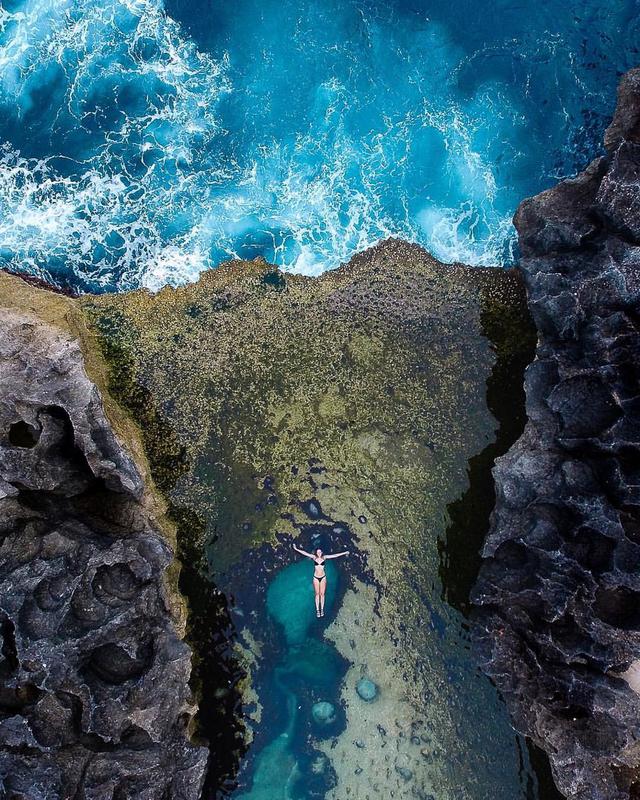
Visiting became pricier and more regulated in 2026. From 1 September, Klungkung regency's One Gate One Destination scheme charges foreign arrivals an island fee and asks everyone for a cashless ticket at each major site, separate from Bali's IDR 150,000 tourist levy. Swimming has been forbidden at Kelingking, Diamond Beach and Angel's Billabong since 2023, yet drownings and falls continue. Beside the Kelingking path stands the shell of a 182 m glass lift: the province halted it in November 2025 and ordered it taken down, a court sided with the developer in September 2026, and the province has promised an appeal. It does not run.
Behind the viewpoints is a farming island with thin services. A small diesel-and-solar grid supplies the power and was stretched to capacity in 2023, some upland villages still rely on water delivered by tanker, and the public hospital, RSUD Gema Santi, transfers serious cases to the mainland. Fresh asphalt laid in 2024, including 6 km from Bunga Mekar towards Kelingking, has eased the main routes, but lanes down to the coast remain steep, broken or clay. Expect no nightlife to speak of, no ride-hailing and little shopping; most villages are asleep soon after dark.
Underwater, the island is exceptional. About 20,057 ha of the surrounding sea form a marine protected area, and in 2024 the International Maritime Organization made Nusa Penida and the Gili Matra islands Indonesia's first Particularly Sensitive Sea Area. Reef mantas feed off the south-west in every month, and ocean sunfish come up the walls between July and October. Nusa Lembongan, ten minutes away by boat, is the softer choice, with beach bars and mangroves. Penida is bigger, rougher and more rewarding for anyone willing to work for the views.