Linked by a footbridge to tiny Nusa Ceningan, Nusa Lembongan is an 8 km² island lying south-east of mainland Bali. The fast boat from Sanur takes 30–40 minutes, so the airport is 2–3 hours away in total. It suits snorkellers, surfers and anyone after an easy-going island of beach bars, mangroves and short scooter rides, rather than Nusa Penida's long drives. Two or three nights is the right length.
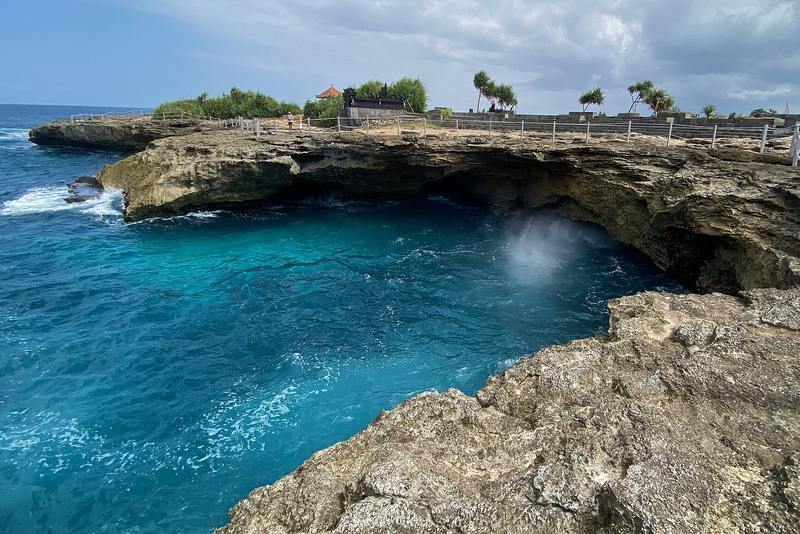
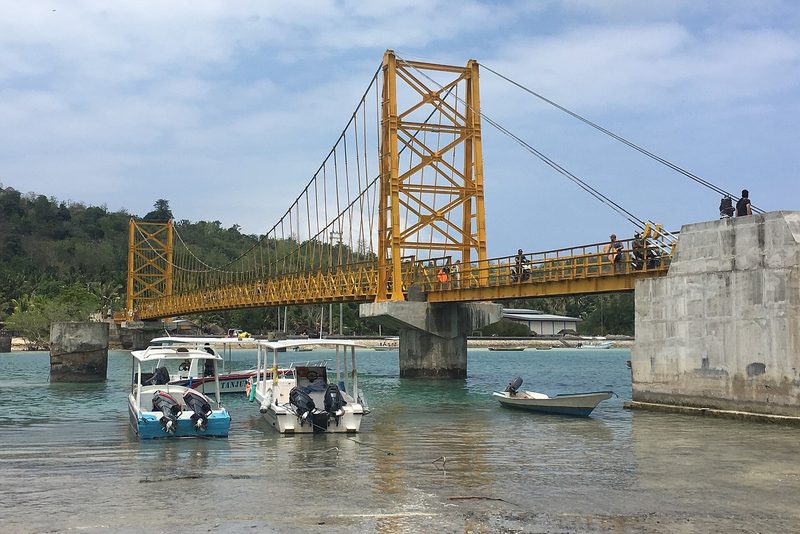
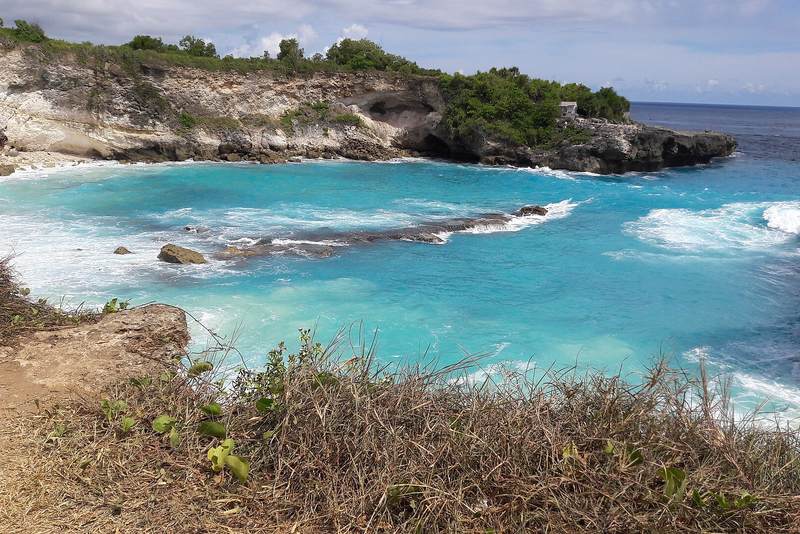
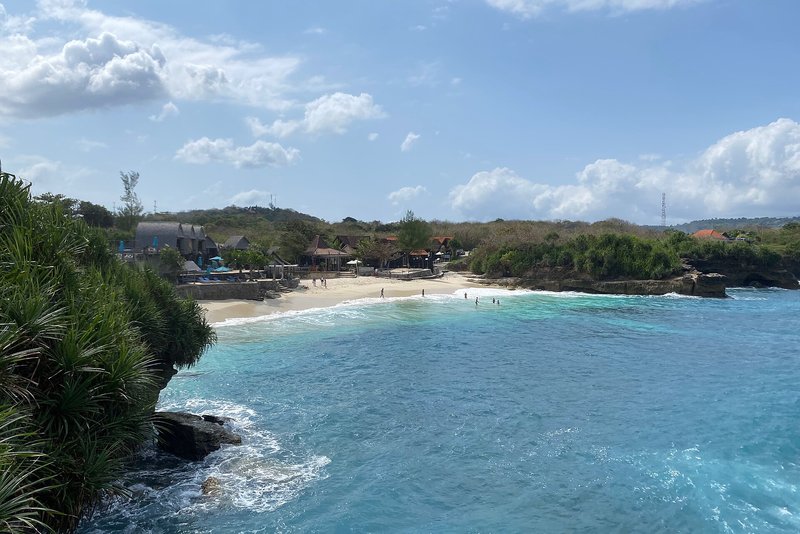
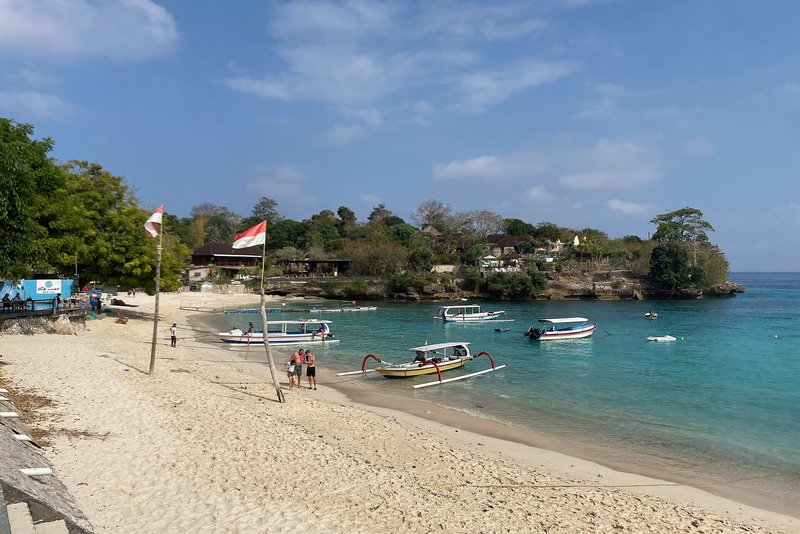
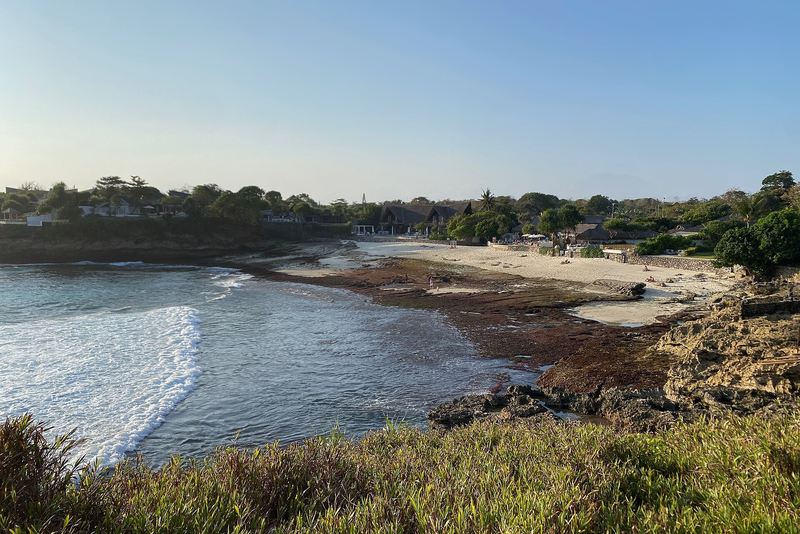
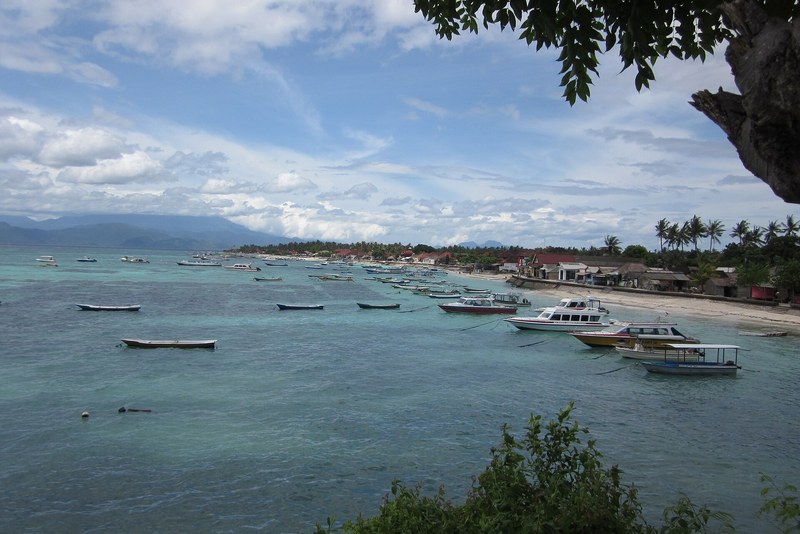
A single day is enough to get your bearings. The island is about 4.6 km long, and a loop by scooter takes some 40 minutes. Boats from Sanur mostly arrive on the north-west shore at Jungutbatu, the main village and beach, though some use Mushroom Bay further south-west. Along the south-west, a low limestone coastline packs Sandy Bay, Devil's Tear and Dream Beach into a few hundred metres. Inland stands Lembongan village, the older settlement, and from the south-east a yellow suspension bridge, closed to cars, leads over to Nusa Ceningan.
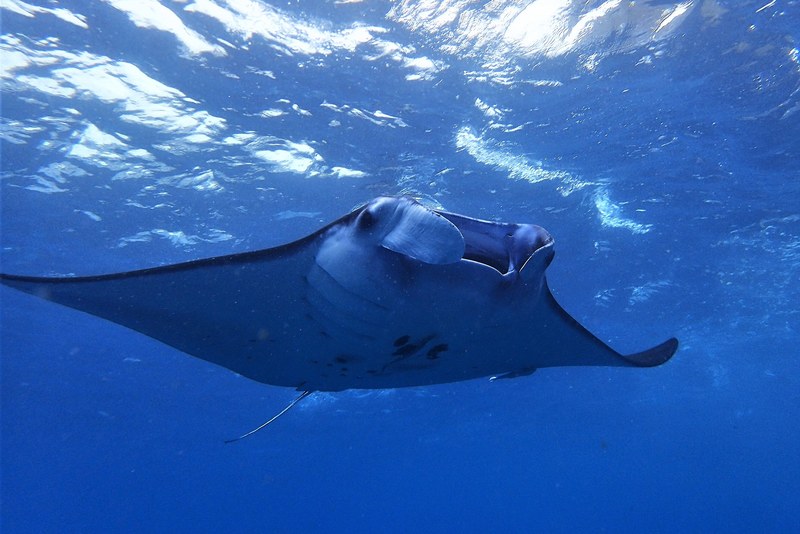
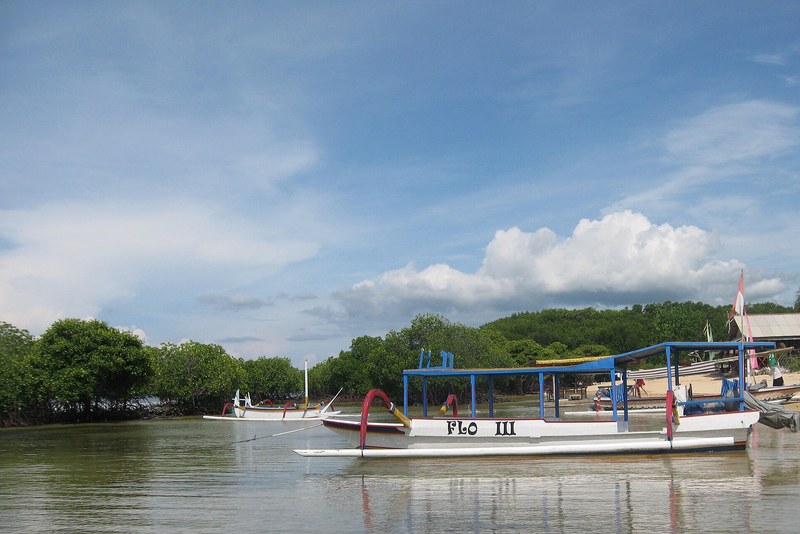
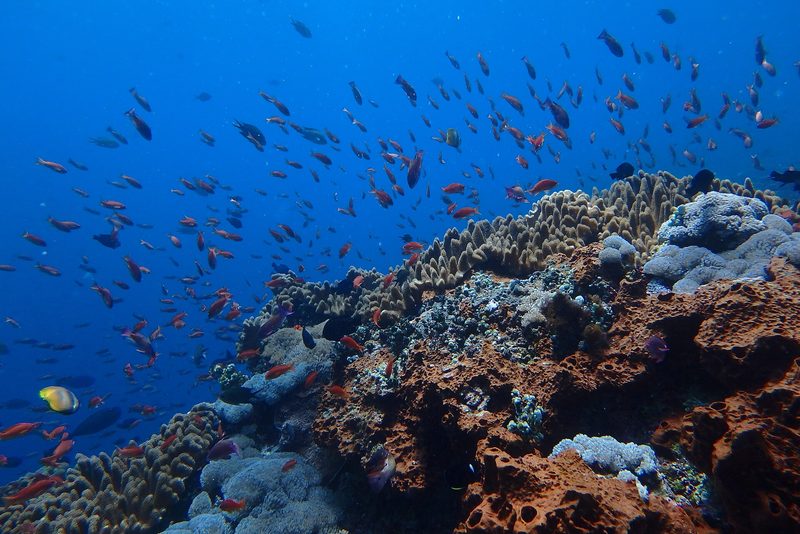
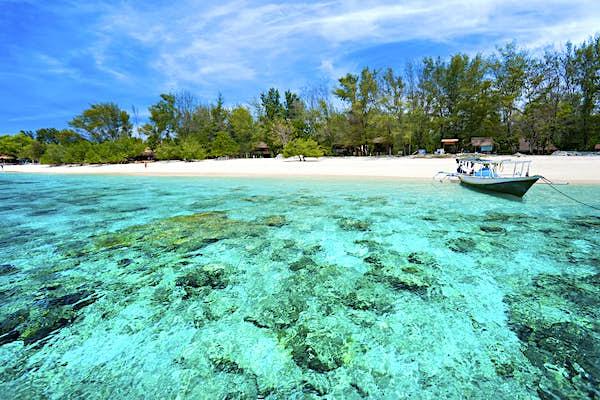
People come for what lies offshore. Reef mantas gather off the south-west coast of Nusa Penida in every month, a boat ride of up to 45 minutes, while the reefs, drift dives and mangroves around Lembongan are protected as part of the Nusa Penida marine area. Surfing opened the island to outsiders, and Jungutbatu still has three reef breaks. Swimming is harder: currents pull at Dream Beach and Sandy Bay, waves at Devil's Tear have taken people off the rocks, and much of the coast is reef. Mushroom Bay and the mangrove beach are where the water stays calm.
The island changed fast. When fast boats brought Sanur within half an hour, seaweed growers turned to guesthouses, dive shops and boat jobs. Their farms all but disappeared by the late 2010s, returned when tourism stopped in 2020 and survive on a reduced scale. Day visitors now arrive from mid-morning: on a typical March day in 2026, 3,000 to 4,000 people sailed from Sanur for the three islands. Since 1 September 2026, Devil's Tear has charged entry as one of seven sites in Klungkung's One Gate One Destination scheme. Rubbish is still unsolved; fires broke out twice in 2024 at the dump near Jungutbatu, spreading smoke over the island.
Day-to-day life is low-key. Cars are rare, app-based taxis absent and the concrete lanes narrow and hilly, and getting off most boats means a knee-deep wade. Central government funding was promised for a second, wider bridge to Ceningan that cars could use, due in 2026; until it is built, trucks and buggies go no further than the Lembongan side. Nusa Penida, a 10 to 15-minute local boat ride away, offers bigger cliffs and rougher roads, whereas Lembongan is compact, simpler to get around and has more bars and restaurants, so many people sleep here and visit Penida for a day.