
Bali's rainy season, from November to March, has a bad reputation, but it's often warm, green and quieter, with short, heavy showers rather than days of grey. You just need to plan around it.
Here's what to know about Bali's wet season for 2026/27: when the rain comes, how much falls each month, which areas flood, where to stay, and the best things to do when it pours. For more trip ideas, see our things to do in Bali and best day spas in Bali.
Bali rainy season 2026/27 at a glance
- Start: late November in the highlands, December for most of Bali (Denpasar about 11–20 December), later than normal.
- Peak: February 2027 for most of the island.
- Cheapest: November, mid-January to March (avoid 20 December – early January).
- Key dates: Galungan 13 January, Chinese New Year 6 February, Nyepi 8 March 2027.
Bali rainfall by month (Denpasar airport)
| Month | Rain | Rainy days | Avg high |
|---|---|---|---|
| Jan | 388 mm | 19 | 31°C |
| Feb | 299 mm | 17 | 31°C |
| Mar | 214 mm | 13 | 31°C |
| Apr | 115 mm | 9 | 31°C |
| May | 73 mm | 7 | 31°C |
| Jun | 51 mm | 5 | 30°C |
| Jul | 30 mm | 3 | 29°C |
| Aug | 16 mm | 2 | 29°C |
| Sep | 41 mm | 3 | 30°C |
| Oct | 68 mm | 5 | 31°C |
| Nov | 149 mm | 10 | 32°C |
| Dec | 299 mm | 16 | 31°C |
Averages for 1991–2020. Wet-season months in bold. Ubud and the central highlands get noticeably more rain; the Bukit (Uluwatu and Nusa Dua) and the north and east coasts get less.
1. When Is the Rainy Season in Bali?
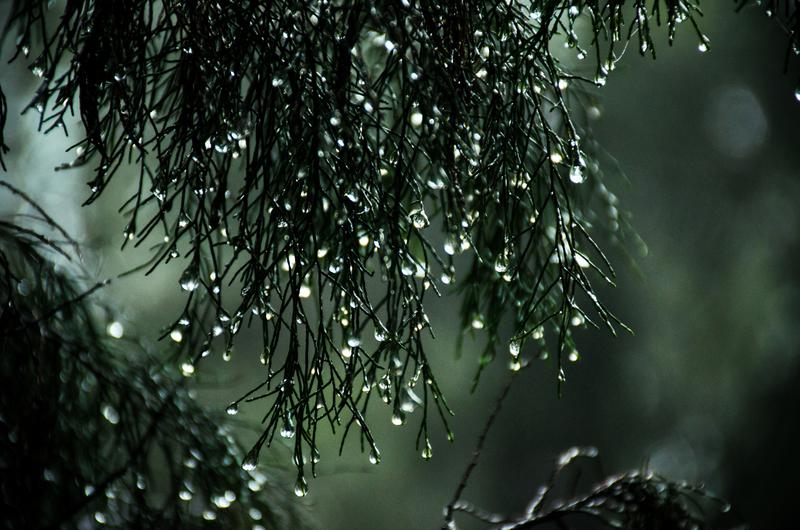
Bali's wet season normally runs from November to March, when the west monsoon brings humid air and heavy showers. January is the wettest month, with about 388 mm of rain over 19 days at Denpasar airport, against just 16 mm in August.
For 2026/27, Indonesia's weather agency BMKG expects a late start: the rains reach the central highlands in the last ten days of November and most of the island in December, with Denpasar due around 11–20 December. The peak is forecast for February 2027, and the season is expected to be shorter than normal because of a very strong El Niño. BMKG also warns that the start and the peak are close together this year, so heavy rain may come in short, intense bursts.
Even in the wettest months, the rain tends to fall hard and clear quickly, often at night, so most days still have dry, sunny hours.
2. Off-Peak Prices
Outside the Christmas and New Year rush, the wet season is Bali's quieter time, and emptier hotels usually mean better room deals. Bali's statistics office (BPS) reports that arrivals usually ease after the July peak and keep falling through October and November. In November 2025, star-hotel occupancy in Bali fell 6.6 percentage points in a month, the steepest drop of any province.
The exception is 20 December to early January: arrivals jump (December 2024 was up 16.5% on November) and hotels charge peak rates, so book early if you're coming for the holidays. For the best value, aim for November, mid-January to March, or the weeks after Nyepi. Browse our stays to compare.
3. Fewer Crowds
January to March are the quietest months of the year for international visitors. In 2026, Bali welcomed about 472,000–502,000 foreign arrivals a month in January–March, against almost 700,000 in July.
That means shorter queues at temples, quieter rice terraces and a better chance of a table at restaurants that are fully booked in August.
4. The Greenest Time of Year
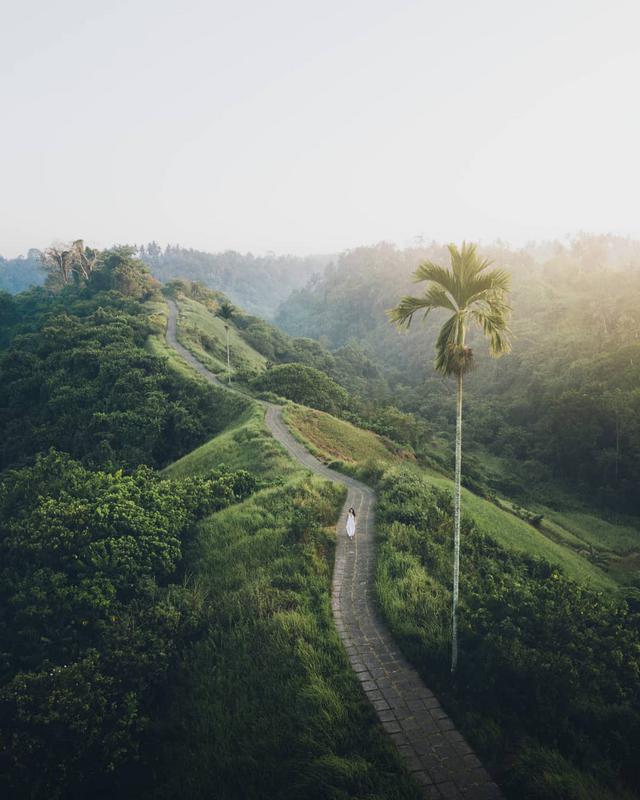
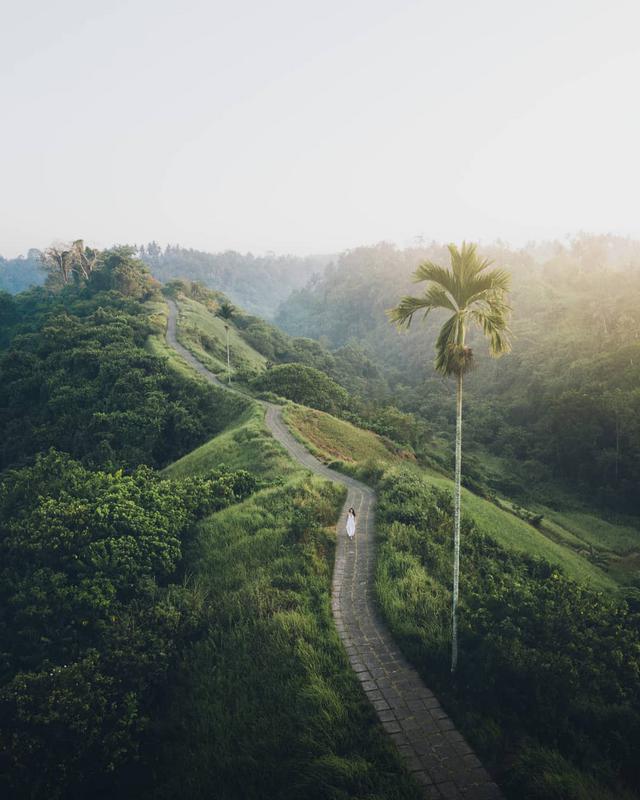
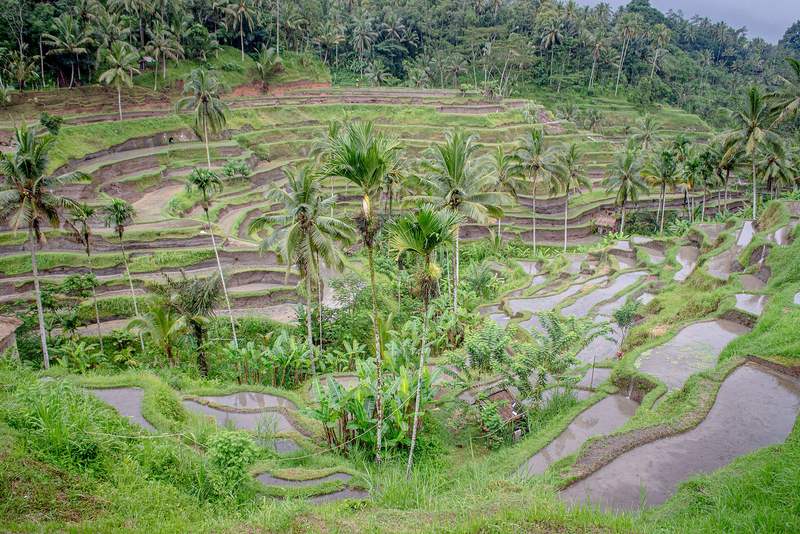
The rain turns Bali a deep, glowing green. Rice terraces at Jatiluwih and Tegallalang fill with water, the jungle around Ubud is at its lushest, and the air is clearer after a downpour, often with dramatic skies at sunset.
It's the best season for photographers who like moody light and saturated colour. Walk the Campuhan Ridge in Ubud early in the morning, and keep to paved paths after heavy rain.
5. Pack a Raincoat (or Buy One Here)
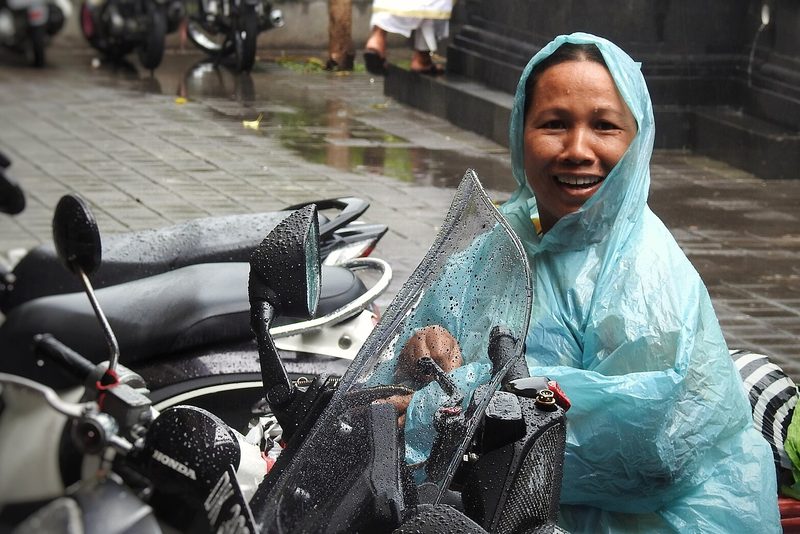
Showers can arrive in minutes, so carry rain gear even on a sunny morning. Minimarkets and roadside stalls sell cheap plastic ponchos. If you're riding a scooter, buy a two-piece rain suit instead: ponchos flap in the wind and can catch on the bike.
On the road, slow down, keep a longer gap, brake early and gently, and avoid puddles, which often hide potholes. A light umbrella and a dry bag for your phone are worth packing too.
The Details
- Price
- Poncho IDR 10,000–25,000 · two-piece rain suit about IDR 117,000–320,000
6. Watch Out for Flooding
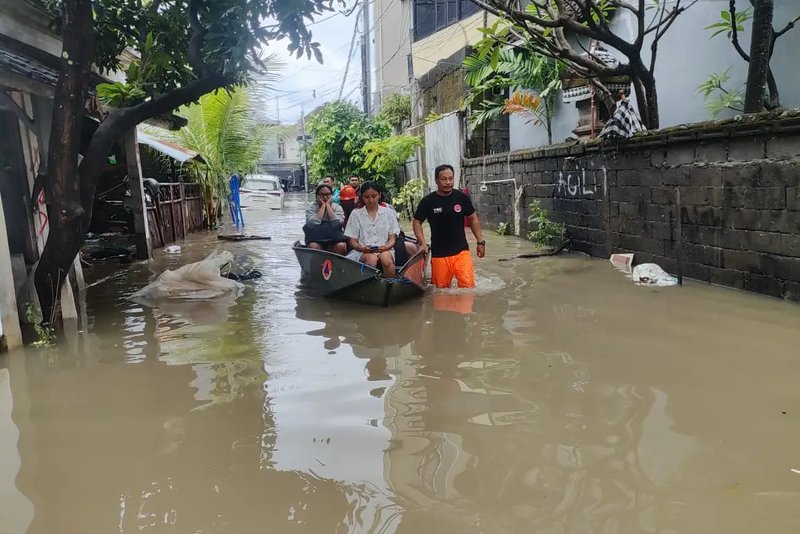
Heavy rain can flood low-lying streets in minutes. On 9 September 2025, up to 390 mm fell in one day, causing 163 floods across Bali; 17 people died, most of them in Denpasar. Floods in December 2024 and February 2026 also hit Kuta, Legian and Seminyak, and tourists were evacuated by boat from a Seminyak hotel.
Streets that flood most often include Sunset Road, Kunti Road and Nakula Road in Seminyak, Dewi Sri Road in Legian, and parts of Canggu. Don't ride or wade through floodwater: the US CDC warns of a higher leptospirosis risk after floods. Wear sandals rather than good shoes, and use mosquito repellent, because standing water means more dengue mosquitoes.
7. Hiking: Pick Your Days
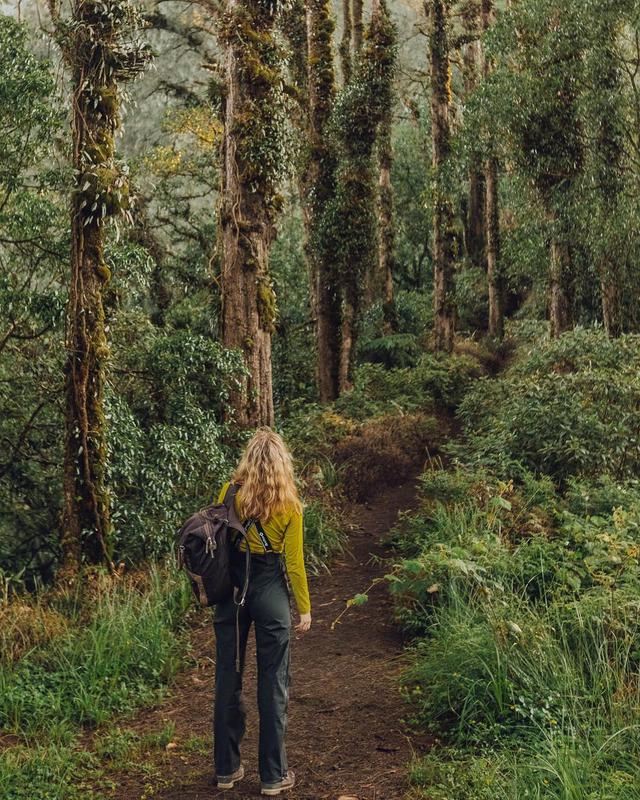
You can still climb Mount Batur for sunrise in the wet season, but expect fog, cloud and slippery volcanic sand on the way down; skip it the morning after heavy rain. In practice you'll need a guide, booked through the trailhead association.
Mount Agung is stricter: a January 2025 Bali government circular bans climbing in extreme weather and requires an experienced local guide. The mountain also closes for temple ceremonies; it was shut from 1 October to 30 November 2024. Check both volcanoes' current alert levels before you go.
8. Rain Means Spa Time
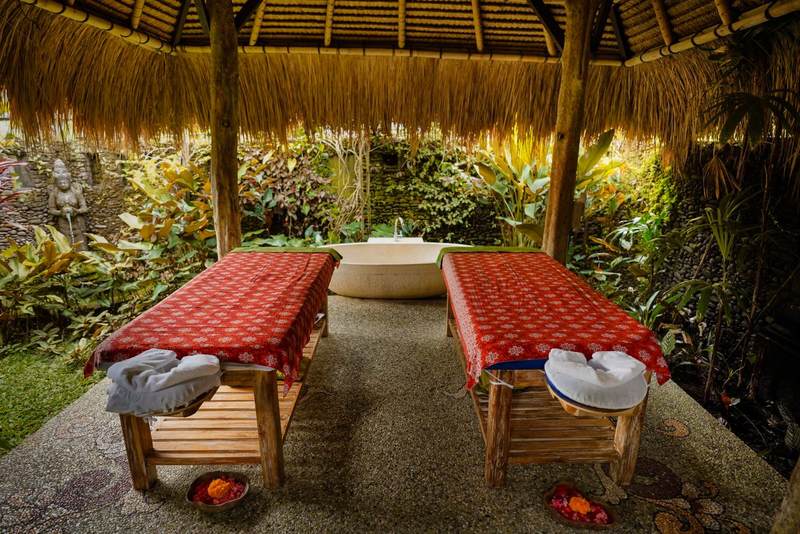
Few things beat a massage on a rainy afternoon. In Ubud, Karsa Spa offers a 60-minute Balinese massage.
For more ideas, see our guide to the best day spas in Bali.
The Details
- Price
- Karsa Spa Balinese massage 60 min IDR 240,000Plus 15% tax and service
9. Enjoy the Art of Doing Nothing

Sometimes the best plan is no plan: a good book, a coffee and the sound of rain on the roof. But if you want to stay busy indoors, take a Balinese cooking class at Paon Bali in Ubud, which runs morning and afternoon sessions, or visit Museum Bali in Denpasar, open 8 AM–4:30 PM.
Covered markets such as Pasar Badung in Denpasar are good for a wet morning too.
The Details
- Price
- Paon Bali cooking class from IDR 350,000 per person · Museum Bali IDR 100,000 for foreign visitors
10. Surf the East Coast
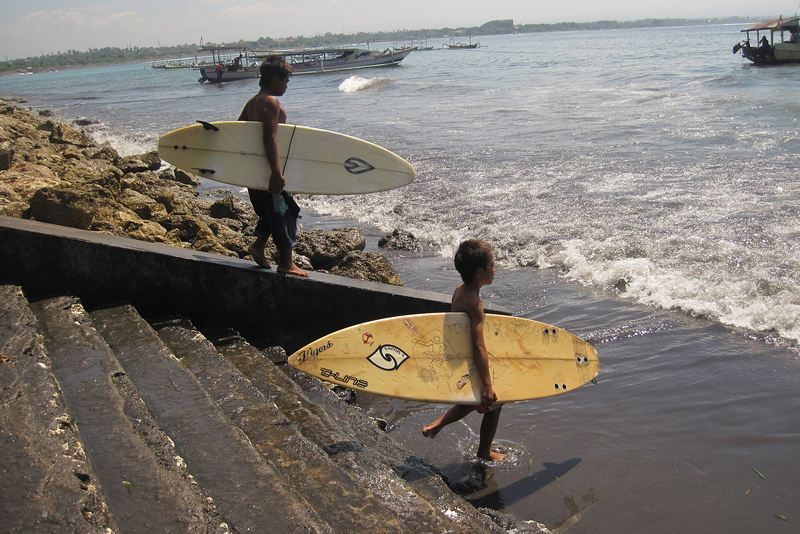
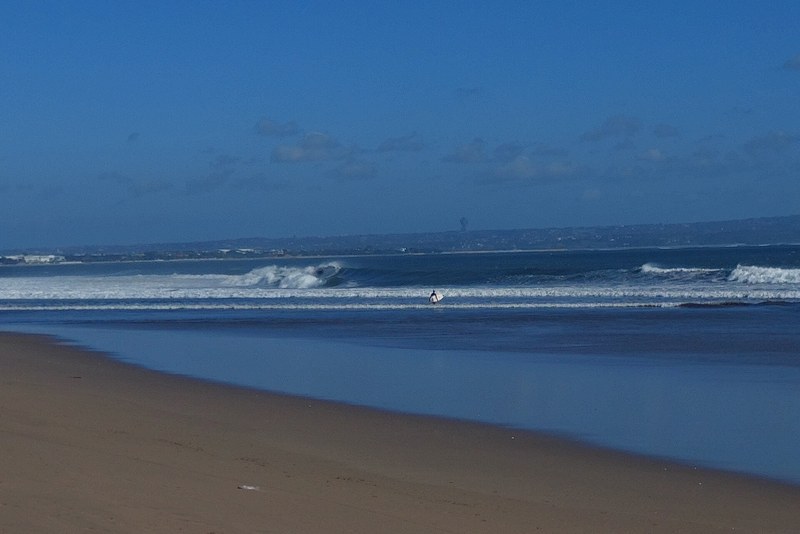
The wet season flips Bali's surf. West-coast breaks such as Canggu and Uluwatu get onshore winds and can turn messy, while the east-facing breaks at Keramas, Sanur and Nusa Dua get offshore winds and come alive.
Keramas is the classic wet-season wave, best from November to March. Swells are usually smaller than in the dry season.
11. West-Coast Beaches Get Rubbish
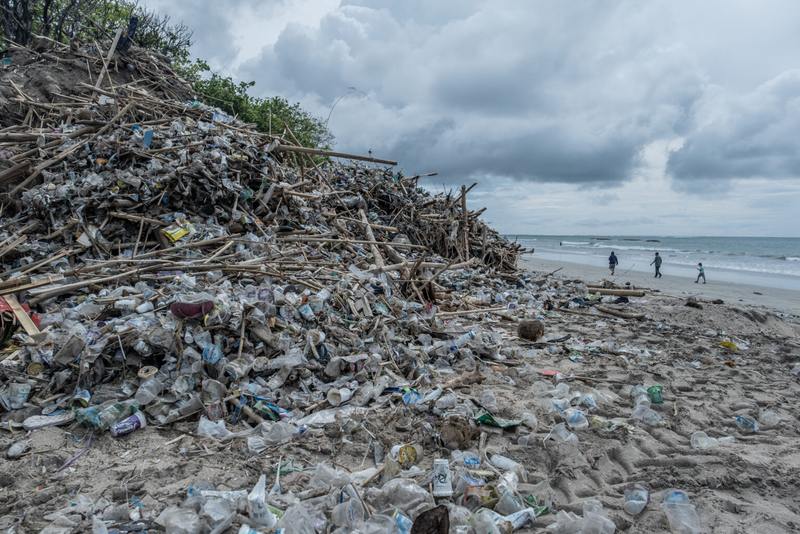
Every west monsoon, currents push rubbish, much of it from rivers in Java, onto Bali's west-facing beaches. In early 2026, Badung regency was collecting 400–500 tonnes of beach waste a day, mostly at Kuta, Legian and Jimbaran.
The regency puts almost 300 clean-up staff, trucks and heavy equipment on the beaches, but after a big tide the sand can still be covered in rubbish. Check recent photos or reviews before planning a beach day in Kuta or Jimbaran.
12. Waterfalls Are at Their Fullest
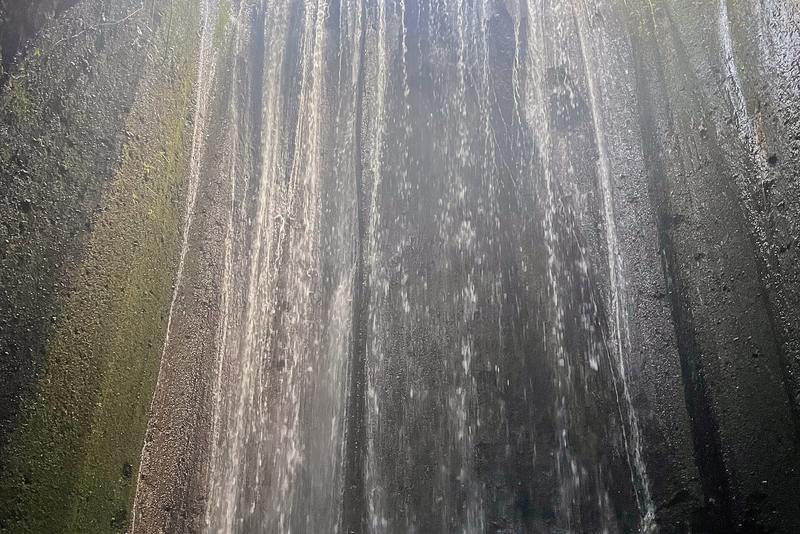
Waterfalls such as Tukad Cepung in Bangli, Tibumana and Sekumpul are at their most powerful in the wet season. Go in the morning, before the afternoon storms.
After heavy rain, rivers can rise fast and paths get slippery. Karangasem's disaster agency has urged operators to pause water activities during heavy rain. Turn back if the water looks brown or fast-flowing.
13. Choose a Drier Base
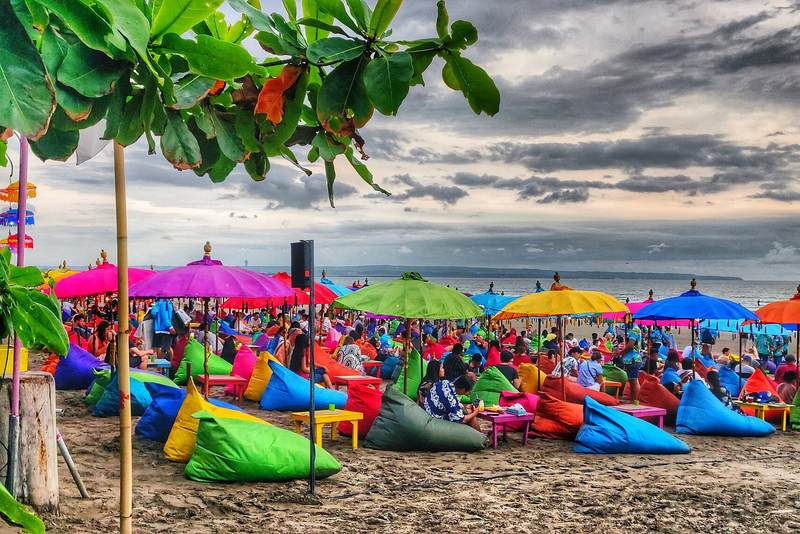
Rain isn't spread evenly. The central highlands get the rain first and the most, while the north and east coasts (Lovina, Amed, Kubu) and the Bukit around Uluwatu and Nusa Dua have the longest dry spells. BMKG has recorded Bali's longest dry spells in Kubu and Gerokgak, and listed Kuta Selatan (the Bukit) among its drought-alert districts.
If you're staying a week or more in January or February, split your time: a few nights in Ubud for the jungle, then the coast. See our best hotels in Uluwatu for the Bukit.
14. Galungan and Kuningan (January 2027)
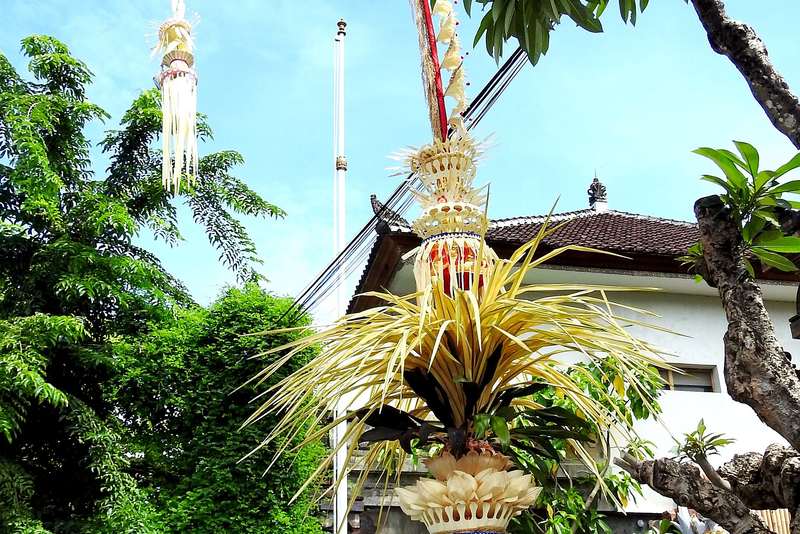
The wet season brings one of Bali's biggest celebrations. Galungan falls on Wednesday 13 January 2027 and Kuningan ten days later, on Saturday 23 January. Every street is lined with penjor (tall bamboo poles decorated with palm leaves), and families pray at their temples.
It's a beautiful time to visit villages around Ubud.
15. Nyepi, the Day of Silence (8 March 2027)

Nyepi, the Balinese New Year, falls on Monday 8 March 2027. For 24 hours from 6 AM, the whole island stops: no traffic, no lights, no flights. In 2026 the airport closed from 6 AM to 6 AM the next day and 440 flights didn't operate.
The night before, in the Ngrupuk procession, villages parade giant ogoh-ogoh monster statues. Plan to stay at your hotel on Nyepi day, and check flight times with your airline, as the airport closes for the day.
Frequently Asked Questions
When is the rainy season in Bali?
It usually runs from November to March. For 2026/27, BMKG expects the rains to start late, in late November in the highlands and December for most of Bali, with the peak in February 2027.
What is the wettest month in Bali?
January is the wettest, with about 388 mm of rain over 19 days at Denpasar airport, followed by December and February (about 299 mm each). August is the driest, with about 16 mm.
Is it worth visiting Bali in the rainy season?
It is, as long as you plan around the weather. Rain usually comes in short, heavy bursts in the afternoon or evening, the island is at its greenest, and outside Christmas and New Year it's quieter and better value.
Does it rain all day in Bali in the wet season?
It rarely does. Most days have dry, sunny spells, with showers often in the afternoon or at night. Prolonged rain does happen, especially around the peak in January and February.
Where is the best place to stay in Bali in the rainy season?
The Bukit (Uluwatu, Nusa Dua), Sanur and the north and east coasts are drier than Ubud and the central highlands. Avoid streets that flood often, such as Sunset Road and parts of Seminyak, if you're travelling by scooter.
Can you climb Mount Batur in the rainy season?
Yes, sunrise treks run year-round, but expect cloud and slippery paths, and skip it after heavy rain. Mount Agung climbs are banned in extreme weather and need a local guide.
What is the difference between Bali's wet and dry seasons?
The dry season (about April to October) is sunnier and busier, with the best surf on the west coast. The wet season (November to March) is greener, more humid and quieter, with the best surf on the east coast.