
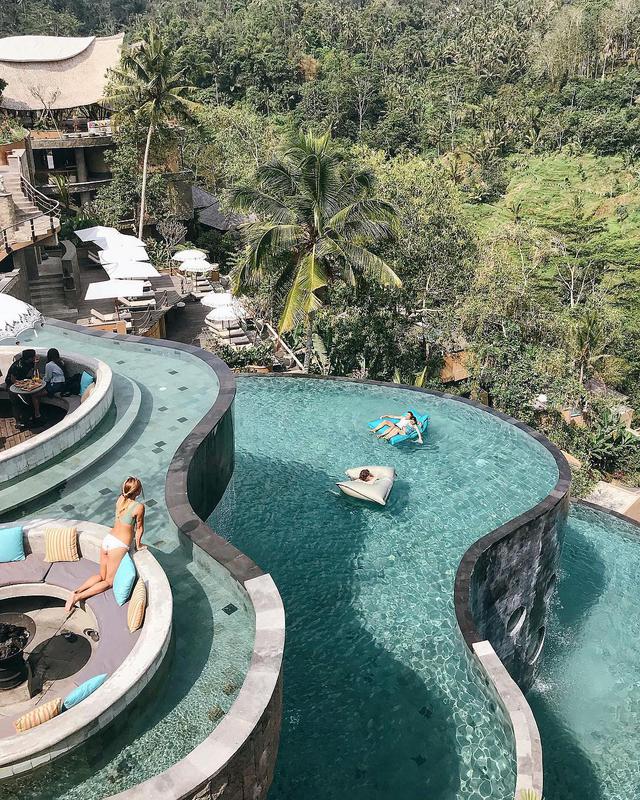
First Time in Bali? 14 Essential Tips for 2026 (Visa, Money & More)
Your first trip to Bali will be one to remember, and a little preparation makes it much easier: the right visa and levy before you land, a local eSIM, the right area to stay and the rules that matter at temples.
We've updated these 14 tips for 2026 with the latest entry rules, prices and safety advice from official sources.
Before you fly: the 2026 checklist
- Passport valid for 6 months, with 2 blank pages.
- Visa on arrival: IDR 500,000 (buy the e-VOA on evisa.imigrasi.go.id).
- All Indonesia arrival card: free, within 72 hours of landing.
- Bali tourist levy: IDR 150,000 per person on Love Bali.
- Health: tap water isn't safe to drink. Rabies is present (Bali recorded 45,365 animal bites and 7 deaths from January to August 2026), so get any bite or scratch treated at once; dengue rises in the wet season, so use repellent.
- Drinks: methanol poisoning has occurred even in licensed bars and shops; stick to sealed drinks from trusted venues and never leave a drink unattended.
- Budget: roughly IDR 450,000–1,000,000 a day for backpackers, IDR 1.3–2.9 million mid-range, and IDR 5.4 million and up for luxury, excluding flights.
1. Book Ahead for the Busy Months

Bali welcomed almost 7 million foreign visitors in 2025, and July is far busier than the rest of the year: 697,110 international arrivals that month against an average of about 579,000. July–August and Christmas–New Year are the peak, when the best hotels and villas sell out and prices rise.
Indonesian holidays matter too. In 2027, Nyepi (8 March) and Idul Fitri (10–11 March) fall together, making 6–15 March a long national holiday with full flights and busy roads. Book your first nights before you fly, and you'll arrive stress-free.
2. Check the Season Before You Go
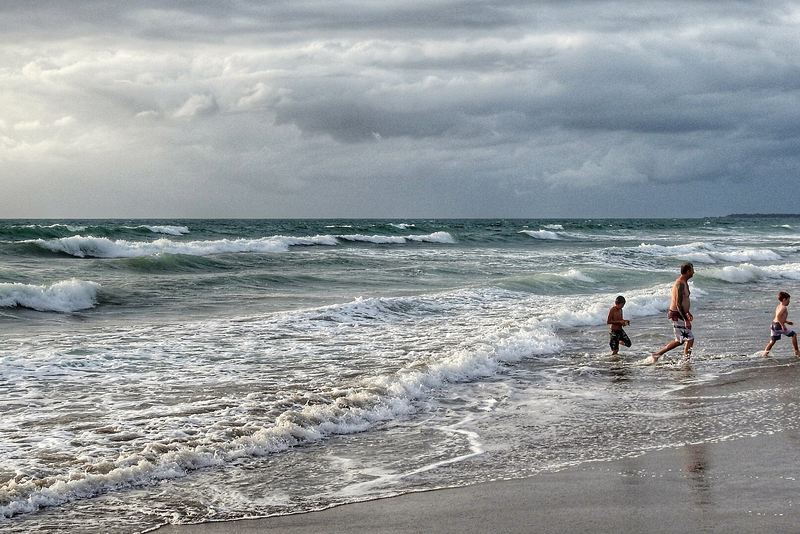
Bali has two seasons: dry from about April or May to October, and wet from November to March, when heavy afternoon downpours are common. BMKG expects the 2026/27 rainy season to start late, in November and December, peak in February 2027 and be shorter than usual.
The wet season is still a good time to visit: it's greener, quieter and cheaper. Read our guide to the rainy season in Bali.
3. Get a Local eSIM or SIM Card
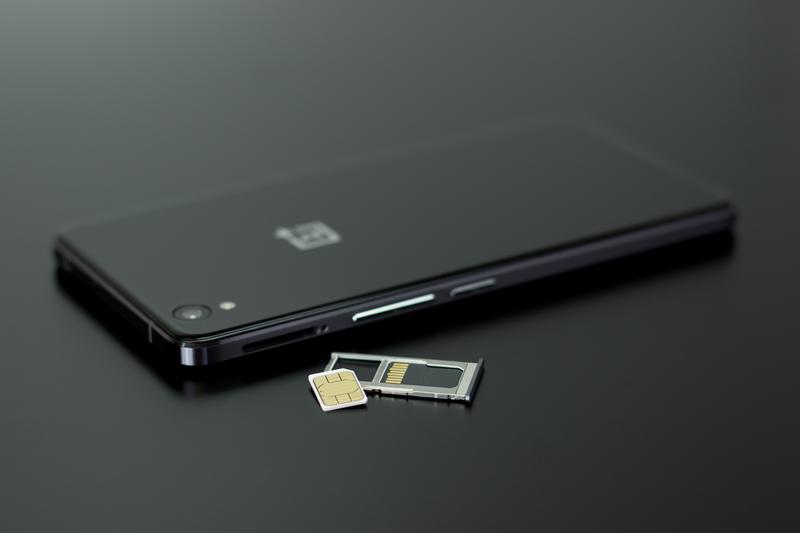
Local data is cheap and fast. Telkomsel's official tourist eSIM costs IDR 150,000 for 25 GB to IDR 800,000 for 200 GB, and XL's from IDR 46,000 for 14 GB to IDR 168,000 for 150 GB, all valid for 30 days. You buy online with your passport and your phone's IMEI number.
Physical tourist SIMs are sold at the airport and at operator stores in town, where they're usually cheaper. If you stay more than 90 days, your phone's IMEI must be registered with customs.
4. Change Money Only at Licensed Changers
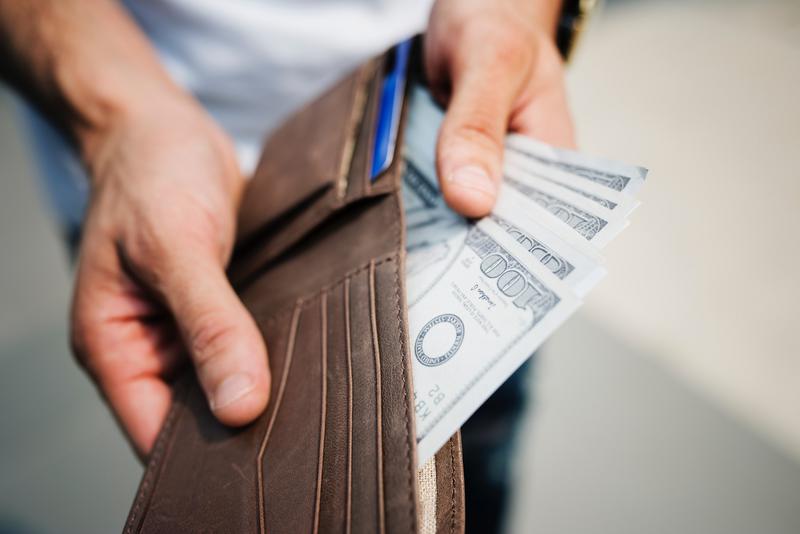
You'll pay in rupiah (IDR). Change money only at licensed money changers, which must display Bank Indonesia's 'KUPVA berizin' logo, their licence and the words 'Authorized Money Changer'. They charge no commission. Avoid kiosks with tempting rates and no permanent premises.
Card fraud and fake numbers stuck on ATMs are common, so use machines inside banks or malls and never lose sight of your card. QRIS payments now work with apps from Singapore, Malaysia, Thailand, Japan, South Korea and China.
5. Download Grab or Gojek

Ride-hailing apps are the easiest way to get around South Bali, with fixed fares shown up front. Grab has an official pickup point at Ngurah Rai Airport; otherwise use registered taxis such as Bluebird and check the driver's ID.
App pickups are restricted in some places, notably central Ubud and some Uluwatu car parks, so walk to the main road or use a local driver. For day trips to the east or north, hire a car with a driver for the day.
6. Try Bali's Different Areas
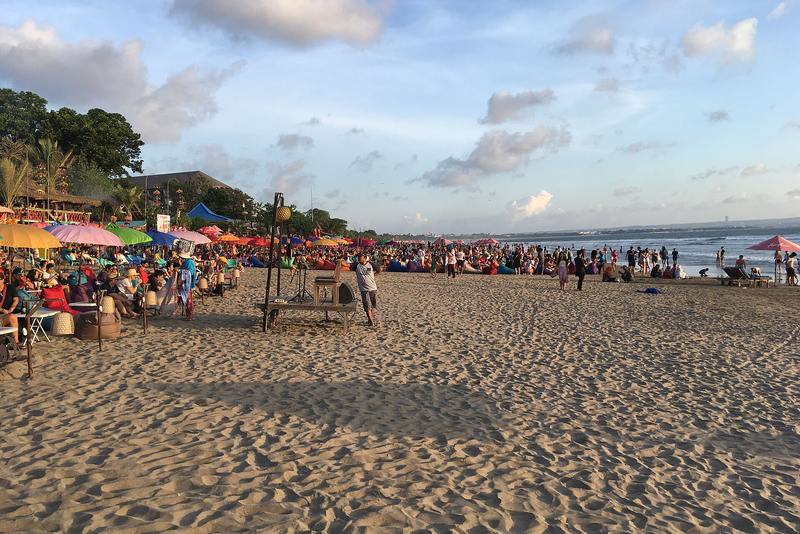
Each part of Bali feels like a different trip. Kuta is busy, cheap and close to the airport; Seminyak has boutique shopping and beach clubs; Canggu is all cafés, surf and co-working; Uluwatu has cliffs, coves and surf; Sanur and Nusa Dua have calm water for families; Ubud is the cultural heart.
Most first-timers split their stay: three or four nights in Ubud, then the beach. Compare them in our guide to the best destinations in Bali.
7. Take a Trip to Nusa Penida
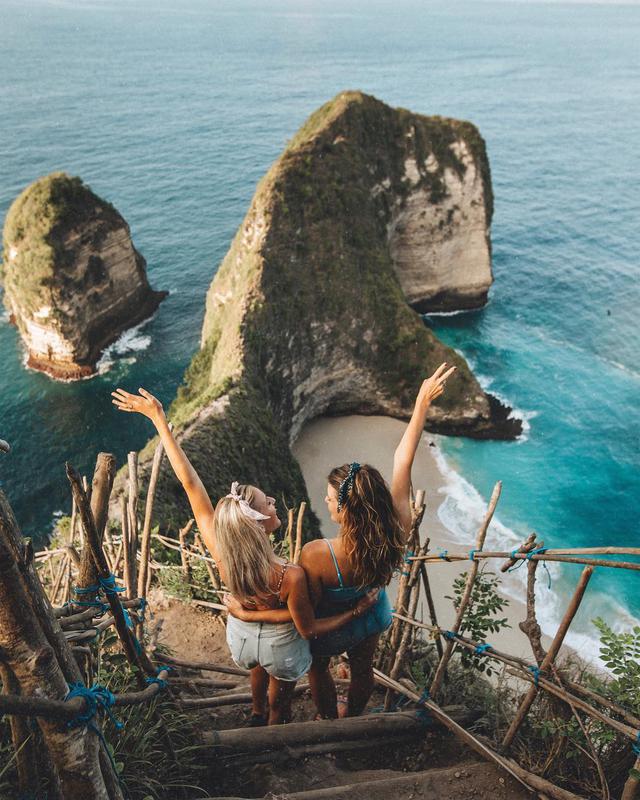
Thirty to forty-five minutes by fast boat from Sanur, Nusa Penida has Bali's most dramatic cliffs at Kelingking, Broken Beach and Angel's Billabong, plus manta ray snorkelling. Swimming is banned at Kelingking and Angel's Billabong, so stay on the paths.
Since 1 September 2026, foreign visitors pay an island levy of IDR 25,000 (IDR 15,000 for children), on top of the Bali levy. Stay a night to see the cliffs before the day-trippers. See our best spots in Nusa Penida.
8. Visit a Few Temples
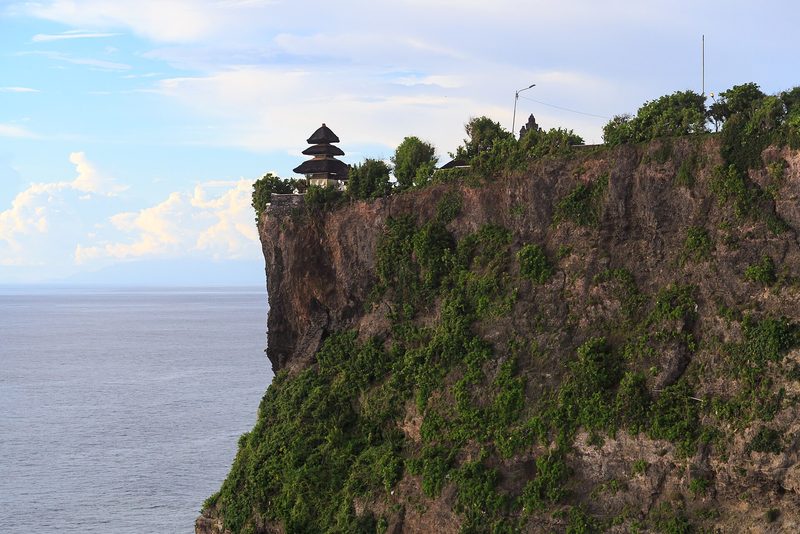
Bali is called the island of a thousand temples for a reason. Don't miss Uluwatu Temple on its clifftop at sunset (IDR 60,000 for foreign adults, plus IDR 150,000 for the Kecak dance), Tanah Lot on its rock in the sea, and the water temple of Tirta Empul (IDR 75,000).
Go early to avoid crowds and heat. Choose your favourites from our best temples in Bali.
9. Know the Temple Rules
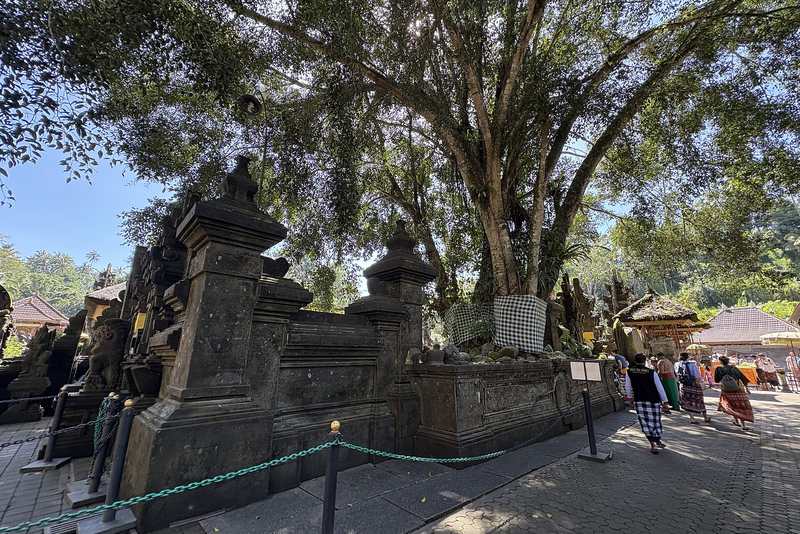
Bali's 2025 rules for visitors (Governor Circular No. 7/2025) ask you to dress modestly at temples and public places, and not to enter the inner temple courtyards unless you're there to pray, in traditional dress. Women who are menstruating shouldn't enter.
Most temples lend or rent a sarong and sash at the entrance; cover your shoulders too. Don't climb on shrines, step on offerings or point your feet at them, and keep drones away unless the temple allows them.
10. Eat Like a Balinese
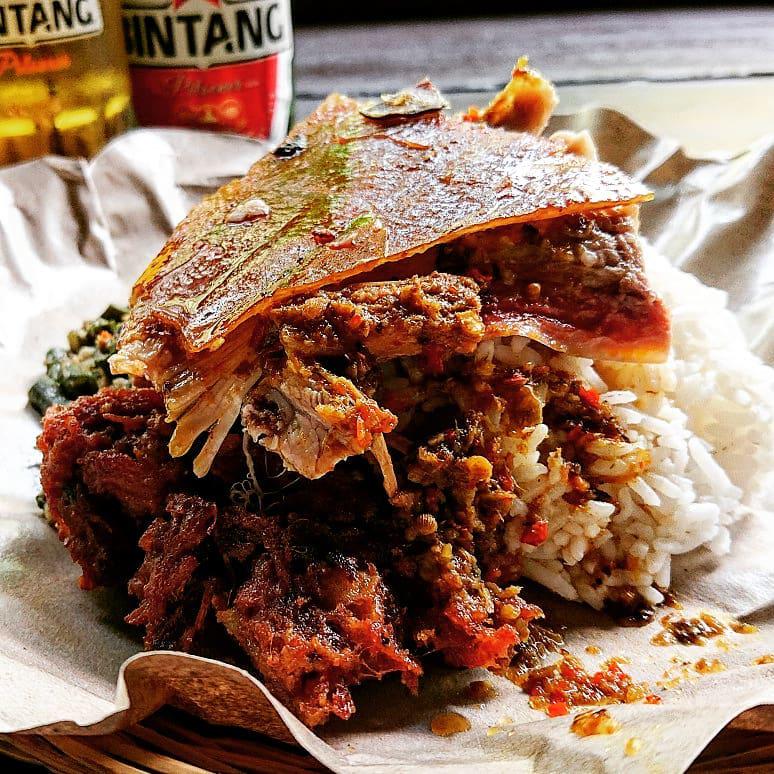
Balinese food is a highlight: babi guling (suckling pig), nasi campur, ayam betutu, sate lilit and lawar. At a local warung, a plate costs about IDR 25,000–50,000. Ask for tidak pedas (not spicy) if you don't like chilli.
Find the legendary places in our must-try local food guide, and the dishes in our best Bali street food.
11. Spend an Afternoon at a Beach Club
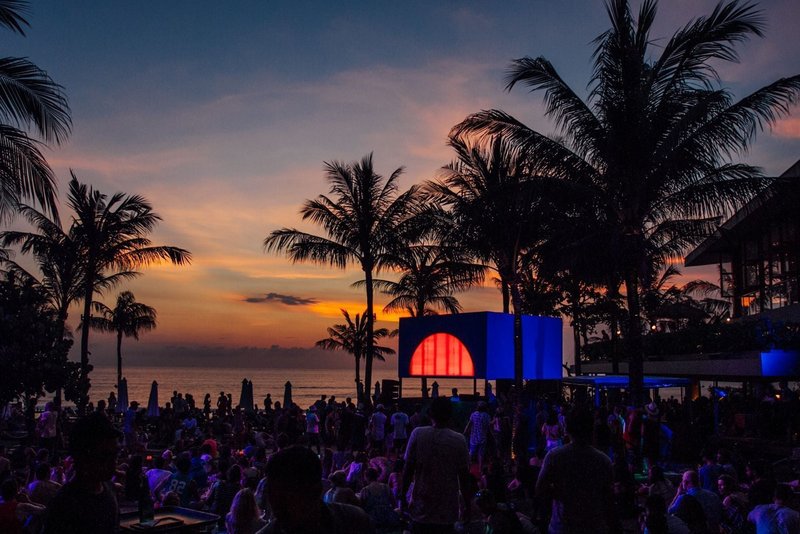
Bali's beach clubs are made for sunset. Many have free entry, such as Potato Head in Seminyak (outside its paid sunset window) and FINNS in Canggu, while others sell day passes with food and drink credit, like Sundays in Uluwatu (IDR 800,000 including IDR 500,000 credit).
Book a daybed for the weekend. Compare them all in our best beach clubs in Bali.
12. Say Hello to the Balinese
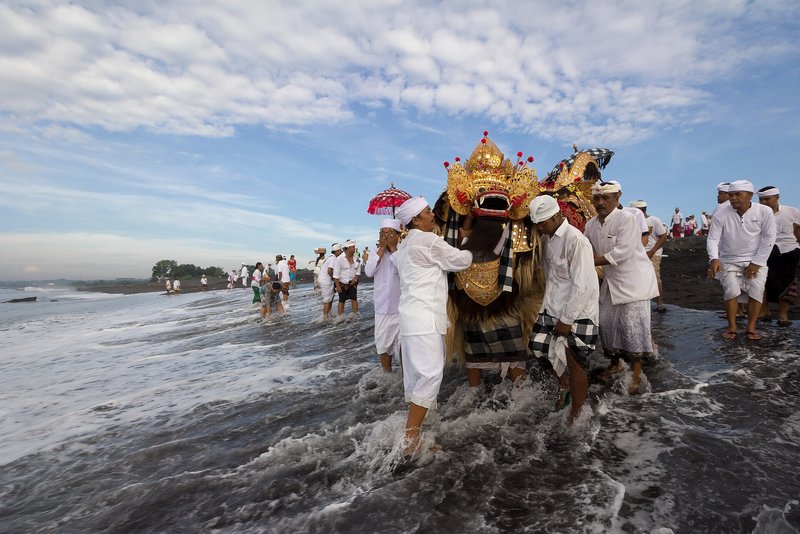
Balinese people are famously warm, and a smile and a few words go a long way: terima kasih (thank you) and suksma in Balinese. You'll meet a lot of Wayans, Mades, Nyomans and Ketuts: Balinese first names often follow birth order.
Respect ceremonies: if a procession is passing, wait patiently, and never walk in front of people praying.
13. Sort Your Visa and Arrival Card
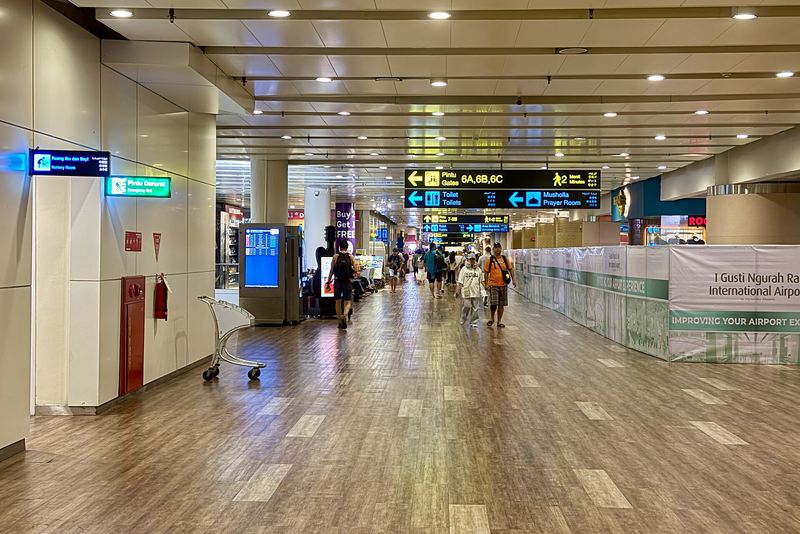
Most visitors need a visa on arrival (B1), which costs IDR 500,000 and gives 30 days, extendable once for 30 more. Buy it online as an e-VOA only on the official site, evisa.imigrasi.go.id, at least a week before you fly. ASEAN nationals are visa-exempt. A planned fee rise was announced in August 2026, but no start date has been set.
Your passport must be valid for at least 6 months from arrival and have 2 blank pages. Fill in the free All Indonesia arrival card (immigration, customs and health) within 72 hours of landing, and pay the IDR 150,000 Bali tourist levy on the official Love Bali website or app.
14. Ride Safely, or Let Someone Else Drive
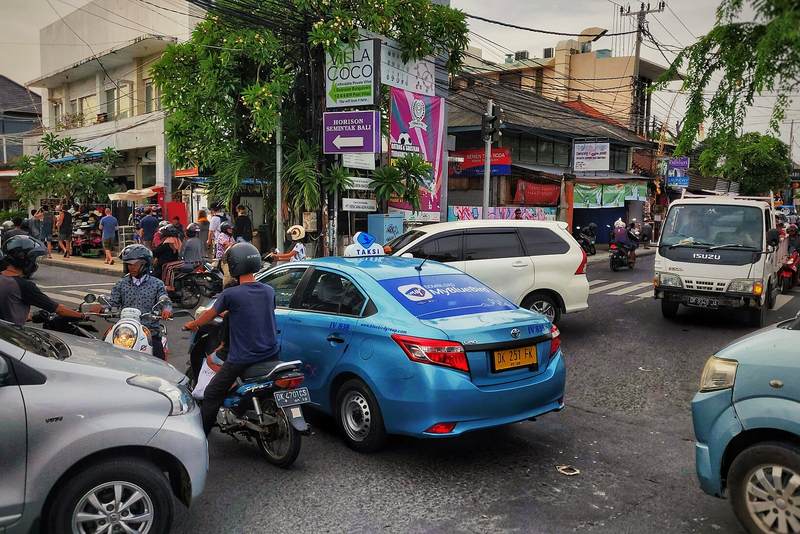
There's no ban on tourists renting scooters, but you need a motorbike licence from home plus an International Driving Permit that covers motorbikes, and a helmet. Police run regular checks in Canggu, Seminyak, Uluwatu, Kuta and Ubud, and scooter accidents involving tourists are common.
If you're not an experienced rider, use Grab or Gojek bikes and cars or a driver instead. You must carry your passport (or stay permit) at all times.
Frequently Asked Questions
Do I need a visa for Bali?
Most nationalities need a visa on arrival (IDR 500,000, 30 days, extendable once), best bought online as an e-VOA on evisa.imigrasi.go.id. ASEAN nationals are visa-exempt.
What do I need to enter Bali?
A passport valid for 6 months with 2 blank pages, a visa or exemption, an onward ticket, the All Indonesia arrival card and the IDR 150,000 Bali tourist levy.
How much money do I need for a week in Bali?
Roughly IDR 3–7 million for a backpacker, IDR 9–20 million mid-range and IDR 38 million and up for luxury, excluding flights, based on 2026 daily ranges.
Is it safe to drink tap water in Bali?
No. Drink bottled or filtered refill water, and bring a refillable bottle, as Bali restricts single-use plastic.
Can tourists rent scooters in Bali?
Yes. There's no ban, but you need a motorbike licence from home, an International Driving Permit that covers motorbikes and a helmet.